
Royal Challengers Bengaluru (RCB) overcame an 18-year title drought to win IPL 2025. This success was rooted in bold leadership and a dramatically aggressive playing style. New captain Rajat Patidar (appointed for 2025) guided the team with calm, composed leadership – a trait lauded by coach Andy Flower. In Patidar’s first season, RCB’s batting lineup operated with unprecedented intent: they scored the second-highest total in the final (190/9) and chased or defended big targets through sheer intent. Behind this approach were key planning decisions (more powerplay aggression, batting depth) and execution (sharp fielding, disciplined bowling). Below we break down the strategic pillars of RCB’s championship run, drawing on official match reports and detailed analytics.
Table of Contents
Leadership and Team Changes
Royal Challengers Bengaluru made a surprising leadership change before 2025, naming Patidar (a rising batsman) as captain over veterans like Virat Kohli. The move paid off: Patidar had already scored 799 runs at a 158.85 strike rate in prior seasons, and Flower highlighted his “calm, simple demeanour” as ideal for handling IPL pressure. RCB retained a core of experienced players (Kohli, du Plessis until 2024, Hazlewood, Chahal) and added power hitters (Phil Salt, Tim David). Andy Flower’s backing of Patidar’s people-first leadership style allowed the team to stay focused under pressure. In short, RCB bet on continuity and cool-headed leadership.
- Key changes: Patidar named captain; stable core retained.
- Coaching input: Emphasis on calm decision-making (Flower on Patidar).
- Team balance: Mix of big hitters (Kohli, Salt, du Plessis, Livingstone, David) and versatile bowlers (Hazlewood, Bhuvneshwar, Shepherd, Dayal).
Aggressive Batting Strategy
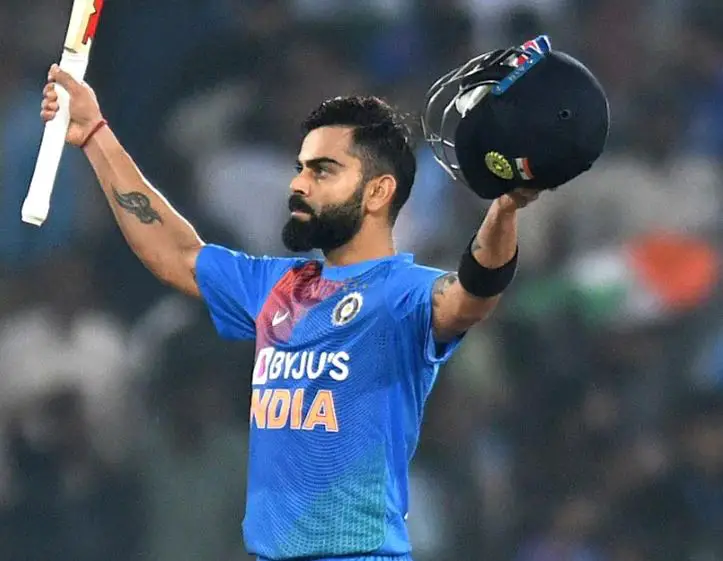
The hallmark of RCB’s 2025 campaign was relentless attack from ball one. An ESPN analysis notes that following a heavy defeat at Wankhede in 2024, RCB fully embraced an aggressive approach: in 12 matches after that turning point, they recorded four of RCB’s top six powerplay scores ever. They consistently lost more wickets (6.5 per innings on average) than before – showing they traded wicket preservation for quick runs. Crucially, RCB batters did not slow down after losing wickets. They attacked 43.17% of balls in the two overs after a wicket fell, the highest rate in the league, resulting in a staggering 156.0 team strike rate in those phases. In other words, an RCB wicket prompted even more fireworks, not caution.
This intent paid off in several ways:
- Depth of scoring: Six different RCB players scored 150+ runs (at least five of them at 160+ strike rate), illustrating multi-man contributions. By contrast, earlier campaigns relied on only 2–3 star batters. This depth allowed Royal Challengers Bengaluru to target 220+ totals as a baseline (as Patidar predicted).
- Powerplay onslaught: RCB’s top powerplay totals often made matches one-sided early. ESPN notes the team led the league in powerplay scoring, and their strike rate remained top-1 in the 12 balls after wickets. Early match momentum nearly always tilted RCB’s way.
- Example matches: A prime example was the win at CSK’s Chepauk – RCB reached 196/7 on a slow pitch and thrashed CSK by 50 runs. That was RCB’s first win at Chepauk since 2008, achieved via aggressive batting. In the final vs PBKS, key cameos (e.g. Jitesh Sharma’s 24* off 10 balls) stitched together a par score.
Quote: Post the crucial 2024 Wankhede loss, skipper du Plessis said RCB “had to try and push for 220 to have a chance”. RCB took that to heart, making 200+ six times in the next nine games, and consistently aiming for totals above 200 in 2025.
Bowling and Fielding Execution
Royal Challengers Bengaluru’s bowlers complemented the batting by keeping the pressure on. In the final, the seam attack (Bhuvneshwar, Hazlewood, Yash Dayal) bowled extremely tightly in the death overs, collectively conceding very few runs. Fielders maintained the intensity: official reports credit “sharp fielding and catching” as instrumental in the final. For example, Krunal Pandya’s 2/17 (including two key wickets) backed by quality stops ensured PBKS never got comfortable. Throughout the season RCB varied their attack well – mixing Bumrah-like yorkers (Hazlewood) with crafty cutters (Bhuvi), and spin options from Maxwell and Chahal kept scoring in check.
Bowling balance: RCB used multiple strike bowlers. Hazlewood (3 wickets in final) and Bhuvneshwar (2 wickets) were especially effective under pressure.
Fielding impact: Royal Challengers Bengaluru often saved 20+ runs per match with fielding. The final report notes their fielding “made the total seem larger than it was”.
Example: In qualifier matches, RCB’s disciplined bowling in must-win situations (bowling out opponents 10-20 runs short of par) showed they executed plans under stress.
Key Matches and Turning Points
A few matches crystallized RCB’s strategy:
- End of 2024 heat: The loss to Mumbai Indians at Wankhede (Apr 2024) triggered the batting overhaul. Soon after, RCB won by chasing 289 vs SRH (262/6 in 2025) and chased 223 vs KKR, reinforcing confidence.
- Qualifiers: Royal Challengers Bengaluru beat the strong CSK twice late in 2025, including a 50-run win at Chepauk. This broke long losing streaks and signaled the team had mastered how to win on any surface.
- Final: In the title match (3 Jun 2025), RCB’s strategy was on full display. Chasing 190 seemed tough after PBKS reached 70/1, but RCB’s bowlers (esp. a tight spell of 2/17 from Pandya) and fearless batting late (Jitesh Sharma’s cameo) sealed a 6-run victory.
These games showed RCB’s adaptability: they built big totals when possible, and also defended modest scores through clutch bowling and fielding. Unlike previous years when RCB might fold under pressure, in 2025 they often held nerves – a fact noted by commentators on seeing a usually safe chase get suddenly contested in the final moments.
Player Contributions and Depth
RCB’s success was powered by contributions across the team. Nine different RCB players won Player-of-Match awards during the season (per ESPN), showing no single hero. Top of the list: Virat Kohli led from the front (Patidar called it a relief to “silence critics” finally), while Phil Salt and Rajat Patidar provided blazing starts at the top. The middle order of Liam Livingstone, Jitesh Sharma and Tim David chipped in quick cameos when early wickets fell. Notably, those three scored 120 runs off the last 12 overs against Gujarat Titans after RCB were 49/4, exemplifying the team’s depth.
On the bowling side, even cricketers with IPL journeyman resumes made a mark. Mohammed Siraj was no longer leading the attack, but RCB’s scouts found bowlers (Yash Dayal, Nehal Wadhera) who thrived in the powerplay and death. And overseas quick Josh Hazlewood delivered consistently under pressure. All-rounders like Glenn Maxwell played supporting roles – for example, Chahal’s leg-spin and Maxwell’s spin loops controlled runs in middle overs.
Key Statistical Highlights
- Powerplay dominance: Royal Challengers Bengaluru scored at 11+ runs per over on average in overs 1–6, among the league’s best.
- Post-wicket intensity: After losing any wicket, Bengaluru’s batting strike rate spiked to ~156 (vs. 125 previously), far above any rival.
- Wickets in hand: Royal Challengers Bengaluru often batted through deeper order – losing ~7.3 wickets per innings in 2025, indicating trust in batting depth.
Strategic Takeaways
RCB’s title run offers lessons in bold planning and execution:
- Plan for big scores: They deliberately targeted 200+ totals. After one game’s shortcomings, captaincy and coach explicitly told the team to aim for 220 when batting first. With four out of six franchise-best powerplay totals coming in 2025, this strategy enabled high weekly run-rates.
- Trust multiple players: Bengaluru resisted “one star” reliance. While Kohli was always dangerous, even number 7 and 8 batsmen (Wadhera, Jitesh) played match-winning knocks. This breadth made it hard for opponents to contain Royal Challengers Bengaluru.
- Fielding win games: Sharp fielding was part of the plan. In a final decided by 6 runs, bangluru’s catches and quick stops (highlighted by the official report) turned the tide. Emphasizing fielding drills during the season paid dividends.
- Adapt tactics to conditions: RCB won on varied pitches (Chennai’s slow Chepauk, Islamabad’s low-scoring finals pitch). Their willingness to alter field settings and batting approach (e.g. attacking on even bowler-friendly tracks, as noted vs GT) shows strategic flexibility.
source: espncricinfo